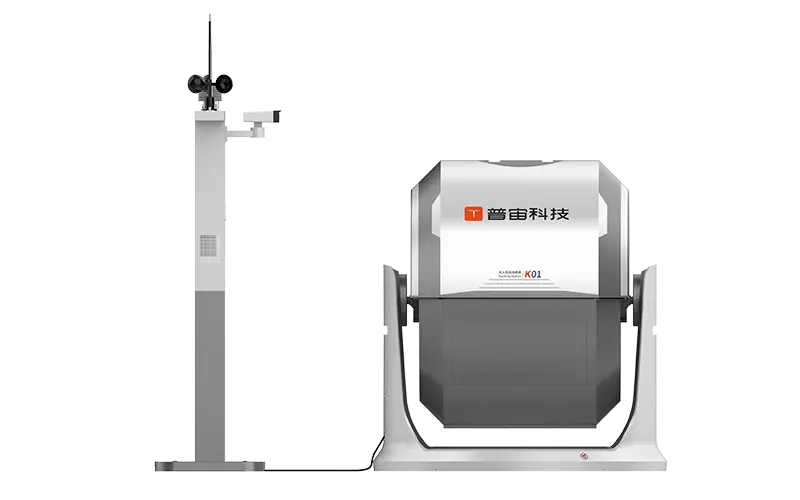
 GDU
GDU
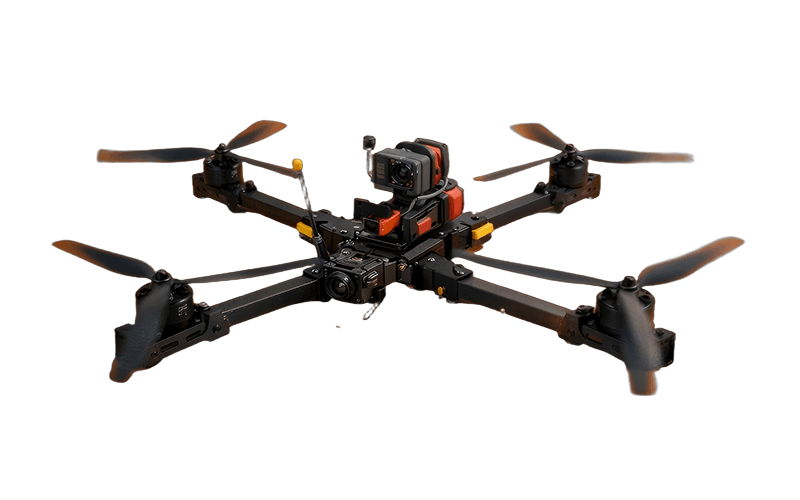 UUUFLY
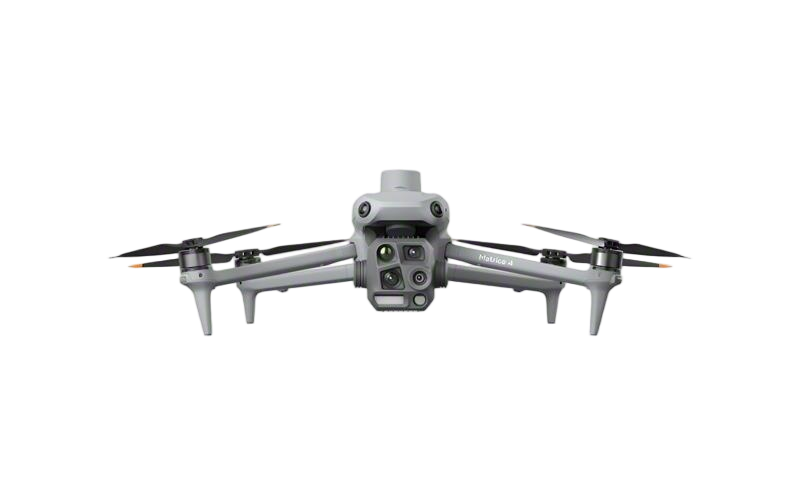 DJI
DJI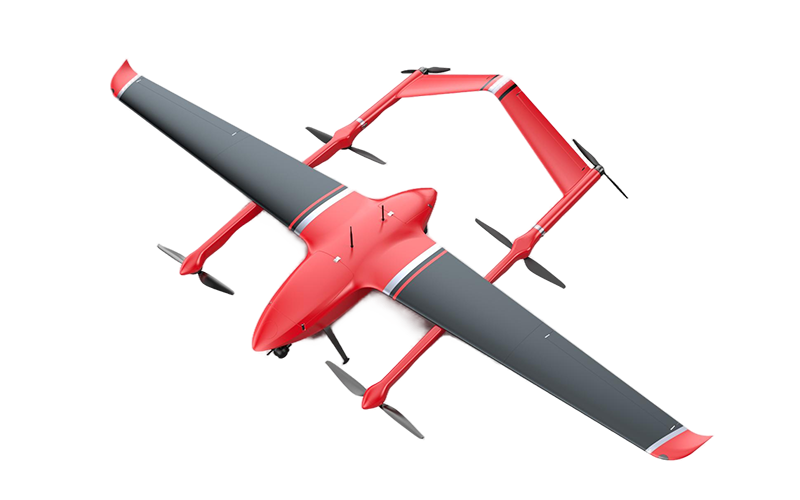 MMC
MMC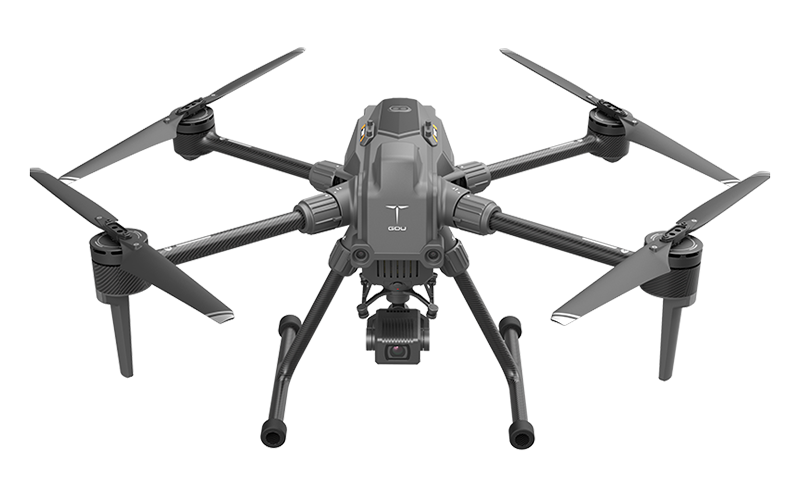 GDU
GDU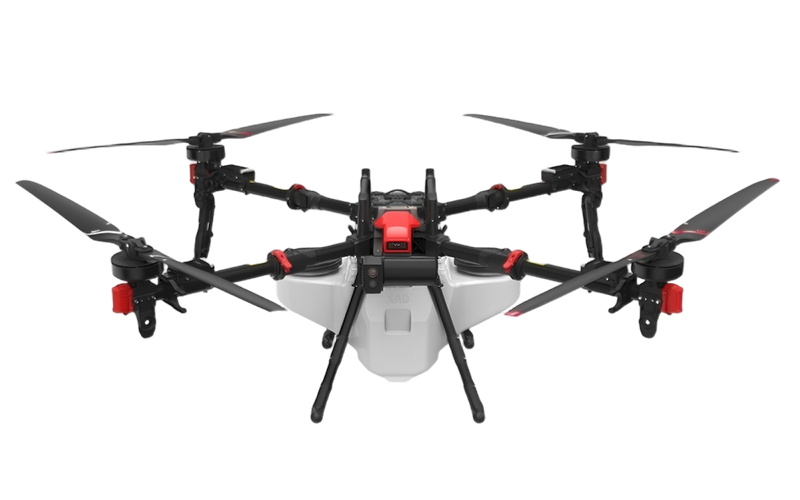 XAG
XAG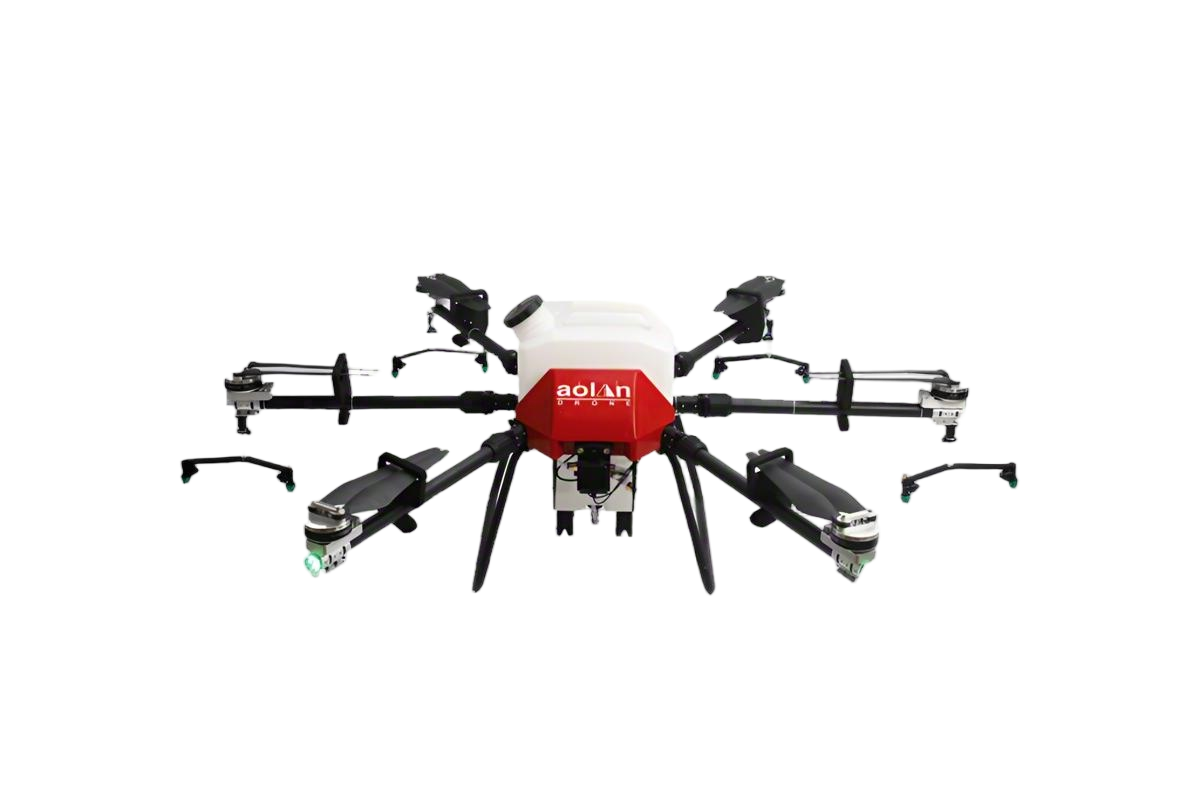 AOLAN
AOLAN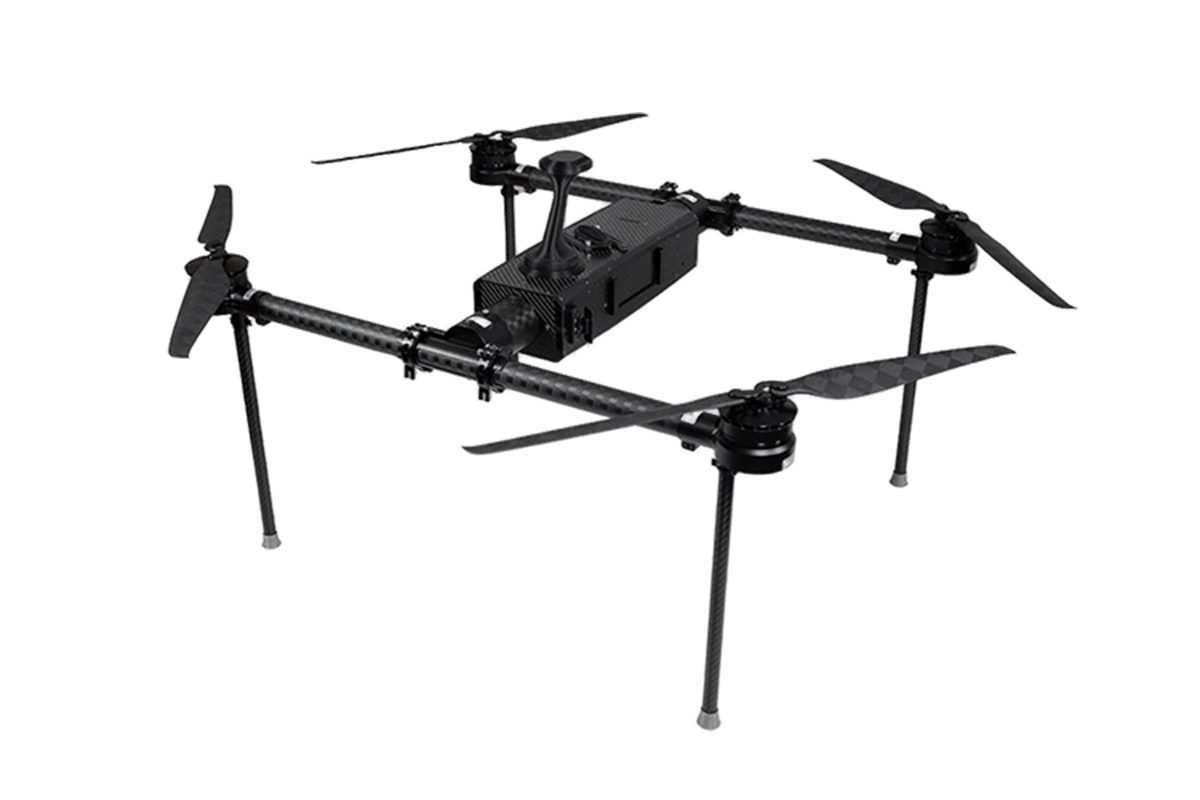 KEEL
KEEL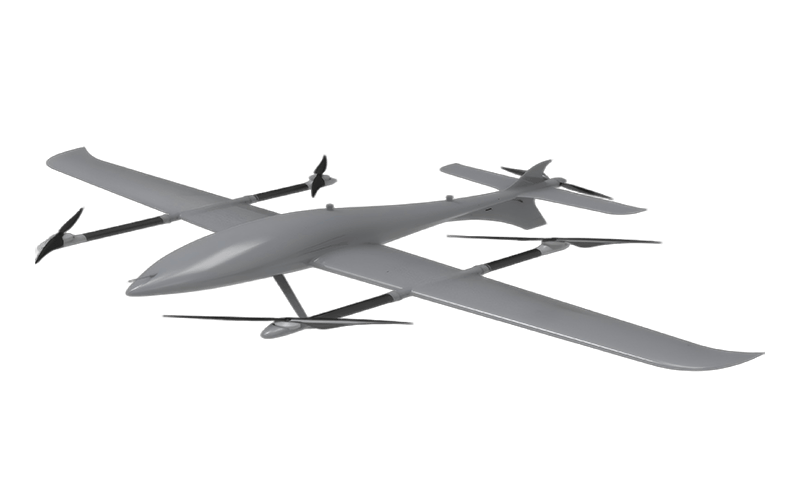 SKY NEXT
- DJI Matrice-4T
- DJI Matrice 4E Drone
- DJI Matrice 4TD
- DJI Matrice 30T
- DJI Mavic 3 Emterprise
- DJI Mavic 3M Multispectral Drone
- DJI RC 2 Plus Industry Plus
- DJI Matrice 4 Series Battery
- DJI Matrice 4D Series Batteries
- TB65 Intelligent Flight Battery
- TB100 Smart Flight Battery
- WB37 Battery
- DJI Accessories

You know, in today's fast-moving business world, bringing Commercial Drones into play isn’t just a passing trend anymore — it’s pretty much a must-have. John McCarthy from Drone Innovations puts it nicely when he says, 'Commercial Drones are completely changing the way businesses operate.' These drones pack a punch across different industries—think logistics, farming, even construction.
They’re great at automating those jobs that used to eat up a lot of time and manpower. Take farming, for example. Drones now give farmers a real-time look at their crops, making it easier to spot problems early on. That means they can act quickly and get better yields. In the logistics world, companies are even using drones to deliver packages faster than ever before. But, of course, it’s not all smooth sailing — there are tricky stuff like rules and regulations, plus public opinions that need to be sorted out.
Even with all this potential, some businesses find it tough to jump on the drone bandwagon. Costs can be high at the start, and the training needed isn’t exactly a walk in the park. Still, when you weigh the benefits against the hurdles, it’s pretty clear that Commercial Drones are a game-changer. They open doors for ways to work smarter and innovate, but it’s also important to be cautious and think things through. The trick is finding that sweet spot — embracing new tech while managing the bumps along the way—that’s what’ll really make the difference nowadays.

The Evolution of Commercial Drones in Business Operations
The integration of commercial drones into business operations has dramatically evolved in recent years. Initially, drones were seen as novelty devices for hobbyists and photographers.
However, according to a report by the Federal Aviation Administration (FAA), commercial drone registrations surged past 300,000 in the U.S. alone by 2022. This shift signals a growing acknowledgment of drones as integral tools in various industries.
In agriculture, drones now monitor crop health, enabling farmers to make data-driven decisions. A study published by the Association for Unmanned Vehicle Systems International (AUVSI) indicates that agricultural drones could boost crop yields by up to 10%. Meanwhile, in logistics, companies utilize drones for timely deliveries. Yet, challenges remain. Regulatory hurdles and safety concerns often hinder widespread adoption. The balance between innovation and compliance requires ongoing reflection from business leaders.
The construction industry has also embraced drone technology for site surveys and inspections. According to DroneDeploy, 80% of construction firms report increased efficiency when using drones. However, as drone usage expands, issues like data privacy and airspace congestion emerge. It’s crucial for businesses to navigate these challenges while harnessing the potential benefits of drones in their operations.
Maximizing Efficiency and Versatility: The MMC M12 Professional Drone for Long-Range Commercial Applications
The evolution of drone technology has been nothing short of remarkable, especially in the realm of long-range commercial applications. The MMC M12 stands out as a game-changer by redefining the efficiency limits of VTOL (Vertical Take-Off and Landing) fixed-wing drones. Drones have become indispensable in various sectors, including agriculture, surveillance, and logistics, where their ability to cover extensive areas quickly is paramount. According to a report by Research and Markets, the global commercial drone market is projected to reach $13.3 billion by 2026, emphasizing the increasing reliance on UAVs for efficient operations.
The MMC M12 harnesses state-of-the-art technology to enhance versatility and operational efficiency. Capable of reaching significant distances while maintaining optimal flight stability, this drone enables businesses to conduct vast surveys and data collection missions with ease. A study from Deloitte highlights that drones can increase operational efficiencies by up to 70% in specific industries, which showcases their potential for cost-saving and productivity enhancement. The M12's configuration allows for quick deployment and adaptability to various payloads, making it an invaluable asset for diverse commercial applications.
Furthermore, the transition from traditional models to advanced VTOL fixed-wing drones signals a critical shift in aerial operations. As organizations increasingly adopt these innovative solutions, they benefit from improved flight time, reduced maintenance costs, and enhanced data accuracy. A comprehensive analysis from PwC indicates that up to 75% of businesses are exploring the use of drones for commercial purposes, underscoring the M12's role in this transformative phase. The MMC M12 not only meets the demands of today's fast-paced commercial environment but also sets a new standard for future drone design and functionality.

FAQS
: Drones provide quick site surveys and create 3D maps. They can reduce project timelines by up to 30%.
Drones monitor crop health and irrigation, potentially increasing yields by 15%. Early issue detection is possible with high-resolution imagery.
Initial investment and technical skills can be barriers. Proper training can help overcome these challenges.
Drones help with last-mile delivery, saving about $1.50 per package. However, air traffic management is still developing.
Drones capture real-time images efficiently, providing high-resolution data for better decision-making in various industries.
Ensure the flight area is obstacle-free. Regular checks on drone calibration are also essential for accuracy.
Teams need to interpret data efficiently. Many find analyzing vast amounts of information to be a significant challenge.
Integrating drone data into existing workflows can be complex and requires time and expertise.
New regulations frequently evolve. Adapting to these tools takes planning and can impact business success.
Not all regions allow drones to operate freely. Regulatory hurdles can slow down their implementation.
Conclusion
Commercial drones have emerged as vital tools for enhancing business operations across various industries. The evolution of these aerial technologies has enabled sectors such as agriculture, construction, and logistics to improve efficiency and reduce operational costs. By leveraging commercial drones, businesses gain significant financial benefits, including lower labor costs and increased productivity. Additionally, these devices enhance data collection and analysis capabilities, providing actionable insights that contribute to informed decision-making.
Despite their advantages, the adoption of commercial drones faces challenges, including regulatory hurdles and safety concerns. However, as regulations evolve and technology advances, the future of commercial drones looks promising, with expectations for greater integration into everyday business practices. Real-world case studies illustrate successful implementations, demonstrating how commercial drones can transform operations and drive innovation, ultimately shaping the future landscape of modern business.
Related Posts
-

How to Choose the Best Business Drones for 2026?
-

Top 10 Business Drones in China for Global Buyers Guide?
-

2026 Top Industrial UAVs What Buyers Need to Know
-

How to Choose the Best Commercial Drones for Your Business?
-

How to Choose the Best Commercial UAV Solutions for Your Business Needs
-

How to Choose the Best Enterprise UAVs for Your Business Needs
